
A World Changed
This weeks short story is a hypothetical one based loosly on what is happening in the world today. Those prepared now, will fare better then those that are not. This is what An Ai said could happen in a situation like what we are facing. You can either take tips from this story and prepare, or just read it for entertainment. It is entirely up to you what you get from it. Not saying this is what will happen, just one of many scenarios.
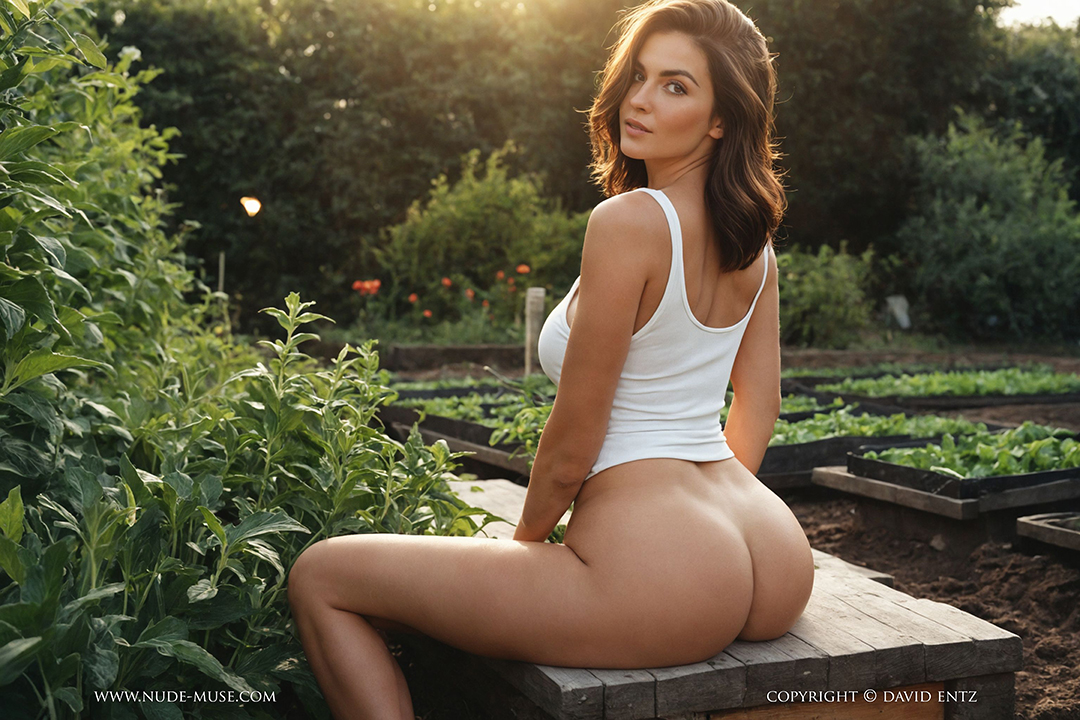
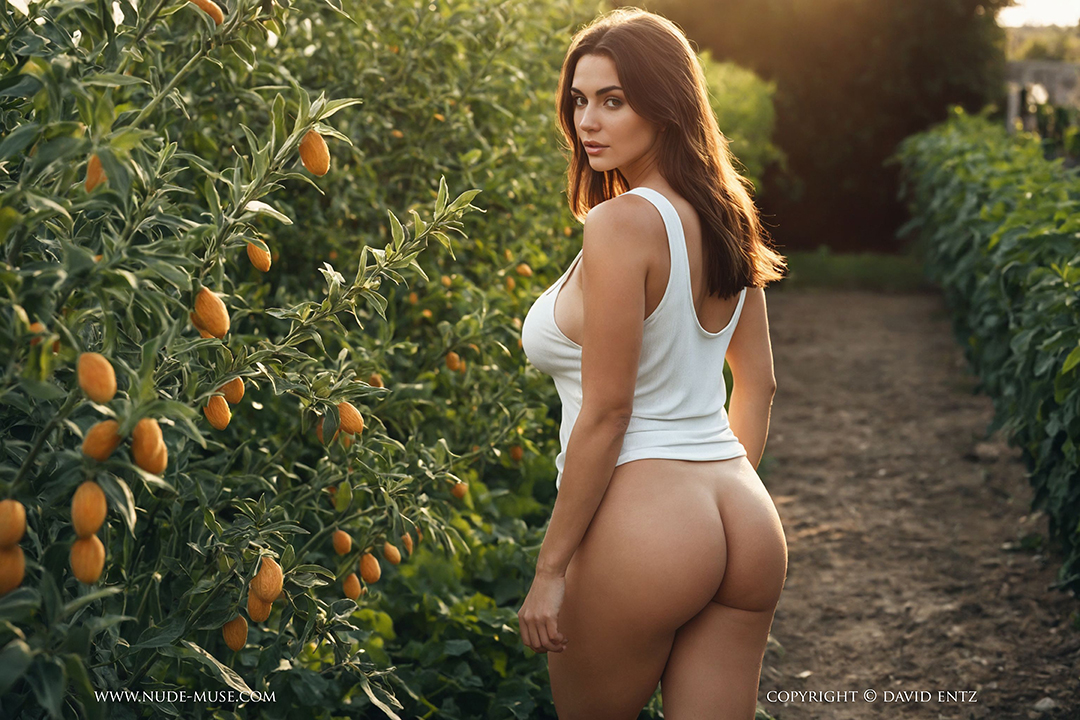
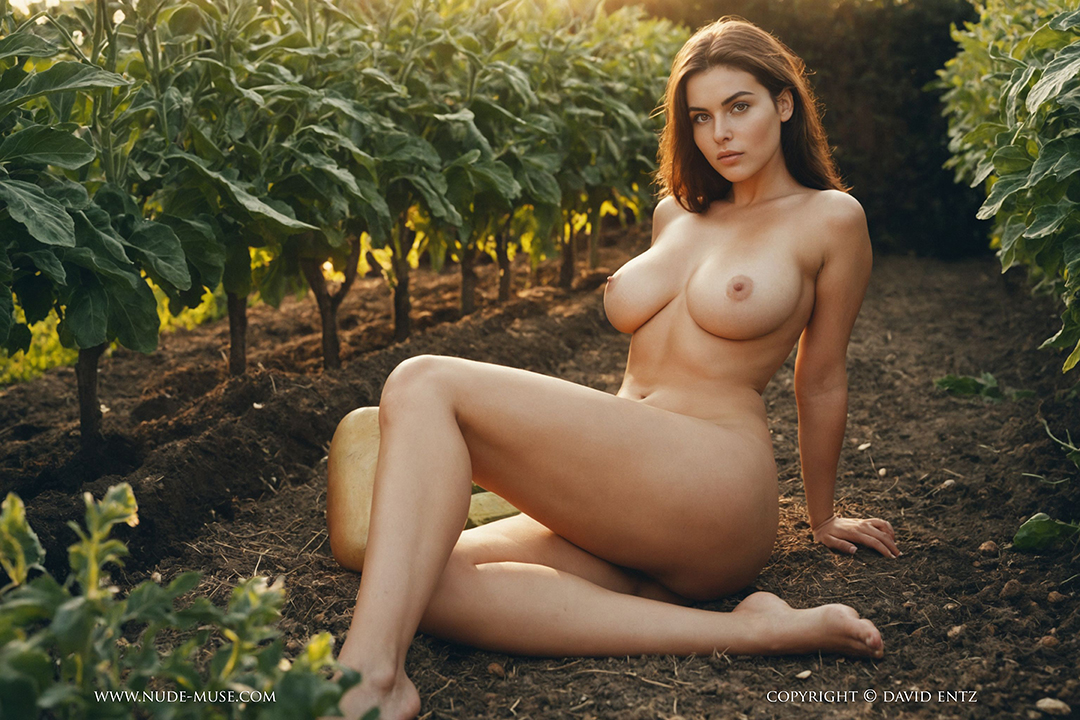
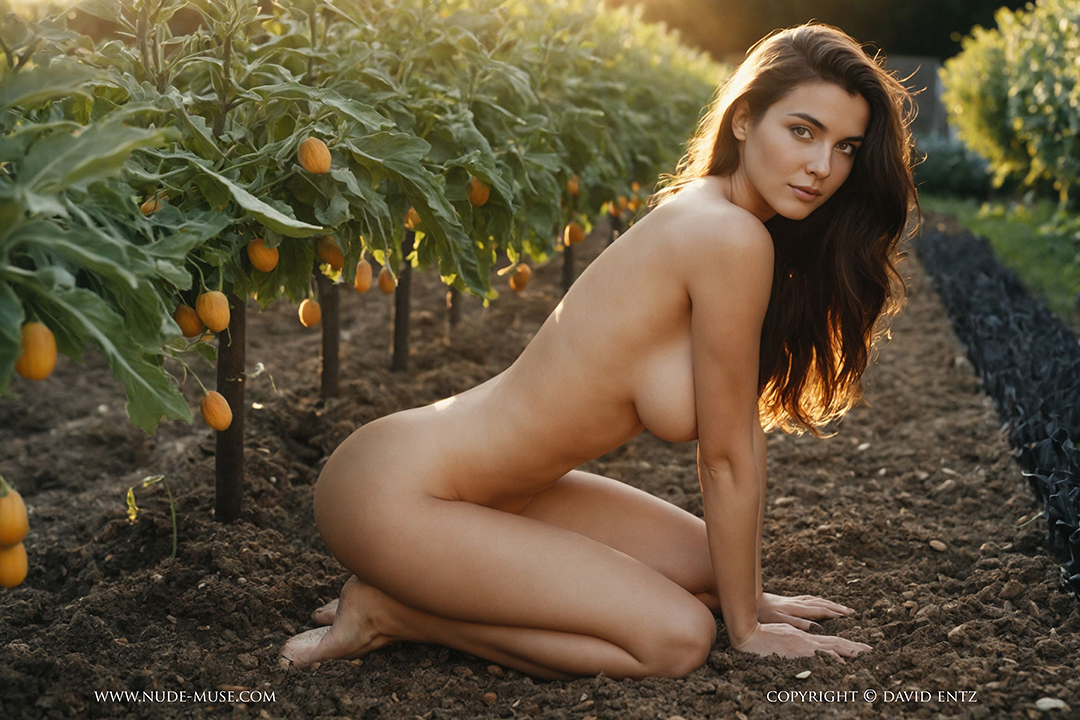
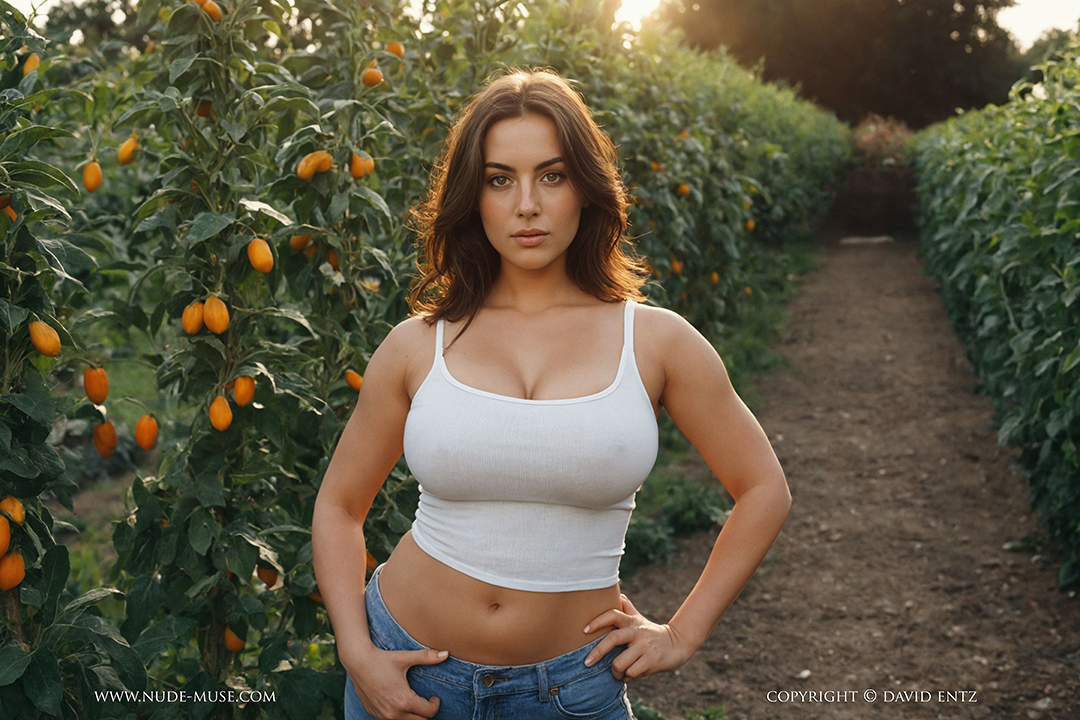
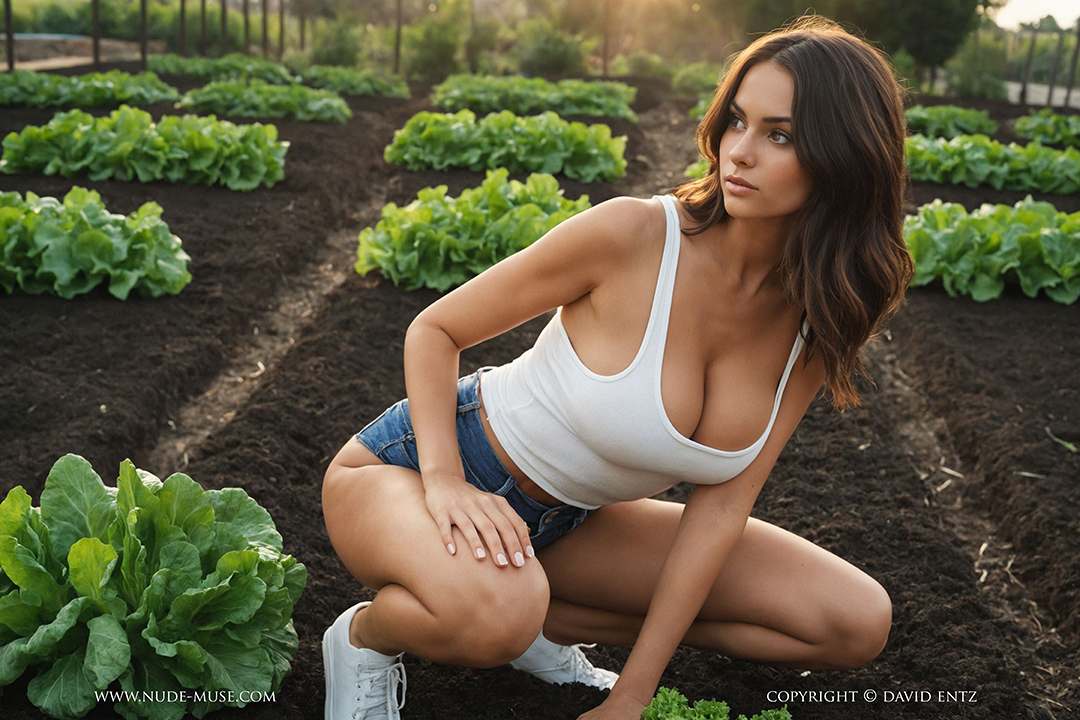
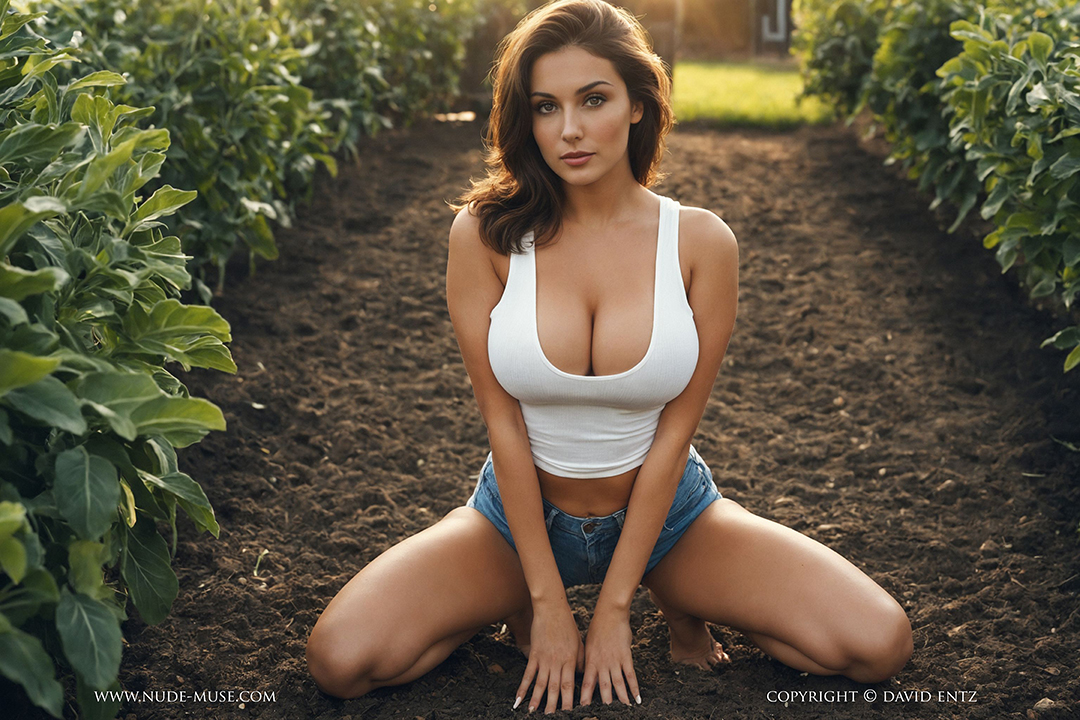
In the quietude of her quaint cottage, nestled along the verdant edge of a once-thriving town now hushed by dread, Tara sat at her sturdy pine table, fingers tracing the worn edges of a well-used map. Her medium-length brown hair, streaked with sun-kissed highlights from years working in the garden, framed a face that bore an expression not of fear, but of resolution. The lines around her hazel eyes were deeper than they had been mere weeks prior; she had seen things shifting long before the rest of the world awoke to its folly.
The energy shock came without warning. One morning, the pumps at Macon’s Fuel Station—the last bastion of gasoline in their rural county—spit air where fuel should have flowed. The digital signage flickered from "$4.99/gal" to a stark red "NO FUEL", as if the very earth had decided to withhold its bounty. By evening, the price at the few stations still functional had tripled, and by week’s end, they were all shut tight, their owners muttering about "supply chain disruptions."
Tara knew better than most. She had spent years studying historical collapses, from the fall of Rome to modern-day Venezuela, and she understood that when fuel dried up, everything else followed like dominoes in a storm.
Phase One: The First Wave (Weeks 1–4)
The first scarcity became apparent within 72 hours. Supermarkets emptied faster than ever before—not just the meat sections, but also:
Bread – Panic buying stripped shelves bare. By day three, no fresh loaves remained unless you knew someone with a wood-fired oven.
Eggs & Dairy – With trucks unable to deliver, raw milk supplies dwindled. The last batch Tara had sourced was from old Mabel’s dairy farm, now closed due to "regulatory concerns." She made sure to dehydrate the remainder into powder, storing it in Mylar with oxygen absorbers.
Produce – While some greens still came in from local farmers, shipped fruits and vegetables (apples, bananas, citrus) vanished. The last avocado she saw at the market was sold for $20 apiece.
Canned Goods – Cans of beans, soups, and tuna were gone by week’s end. Those who had not prepared faced a protein gap.
Tara watched from her window as people fought over the last bags of rice and sugar. She had stockpiled those months before, along with heirloom seeds—now more valuable than gold.
Phase Two: The Second Wave (Weeks 4–12)
The absence of fuel meant no refrigeration for most. Power grids, already strained by overdependence on unstable energy sources, began to fail. By the end of week four:
Refrigerated Foods – Dairy, meats, and frozen meals were useless without power or ice.
Pharmaceuticals – Hospitals were rationing drugs; most pharmacies had no insulin, blood pressure meds, or antibiotics. Those with chronic conditions faced dire choices.
Medical Supplies – Bandages, sutures, and painkillers became barterable. Tara had stockpiled colloidal silver, honey, and garlic for natural antimicrobial use.
Petroleum-Based Products – No more propane for grills, kerosene for lanterns, or gasoline to run generators. Those without wood stoves faced freezing winters.
Plumbing & Water Systems – Pumps failed; municipal water supplies became contaminated as treatment plants shut down.
Tara had prepared:
A wood-burning stove (with a water jacket to heat the cottage).
Rain barrels connected to gutters, filtered with berkey systems.
Solar stills for emergency distillation.
Composting toilets (to conserve water and avoid sewage backups).
She also raised chickens, planted an expanded garden, and learned from her late grandfather’s notes on fermentation—now more critical than ever to preserve food.
Phase Three: The Third Wave (Weeks 12–30)
As fuel became a distant memory, transportation collapsed. Trucks stopped running, railroads halted, and even bicycle parts grew scarce:
Food Distribution Grinds to a Halt
No more trucked-in produce from California or Florida.
No livestock feed deliveries, leading to mass culling of herds.
Fishing boats docked permanently; no seafood reached inland markets.
Tara had foreseen this. She:
Lined up barter networks with local farmers (trading seeds, honey, and handmade soap).
Learned butchering skills, preserving meat via:
Smoking in a brick pit (with greenwood for smoke flavor).
Fermentation (sauerkraut, kimchi, fish sauce).
Dehydration (for jerky and powdered broth).
Taught herself to hunt small game with a bow—silent, no ammunition required.
She also stockpiled salt, which became more valuable than gold in some circles. Without refrigeration or preservatives, food preservation was now the only way to survive.
Phase Four: The Fourth Wave (Months 6–12)
As time wore on, social order began to fray. Those unprepared turned desperate:
Looting – Stores were raided for supplies. Tara’s town formed a militia watch, armed with scopes and shotguns—not out of malice, but necessity.
Currency Collapse
The dollar lost value as hyperinflation set in.
People turned to barter: A pound of coffee beans could buy a week’s worth of firewood; a hand-cranked grain mill was worth more than cash.
Medical Emergencies
No ERs. Those who fell ill relied on:
Herbal remedies (echinacea for infections, willow bark for pain).
Home surgeries (stitches with fishing line and alcohol sterilization).
Tara had a first-aid manual from the 1800s, now her most prized possession.
Energy Desperation
People resorted to:
Burning furniture, car seats, even books for warmth.
Stealing propane tanks from neighbors.
Tara’s cottage remained a sanctuary. She had:
Solar panels (small but functional) charged a bank of deep-cycle batteries
A hand-crank radio to monitor distant broadcasts (though most stations were dead).
A hidden pantry, stocked with heirloom seeds, rice, lentils, and canned fish.
Phase Five: The Fifth Wave (Year 1+)
The world changed irrevocably. Those who had prepared survived; those who hadn’t faced starvation or worse.
Rural areas fared better than cities—where millions starved in the first year.
New economies emerged:
Local currencies backed by silver, salt, or alcohol.
Skill-based trade: A blacksmith could demand food; a midwife could barter for medicine.
Food was grown differently:
Permaculture gardens (no tractors = no tillage).
Animal husbandry with low-input breeds (ducks, rabbits, goats).
Foraging knowledge became essential—Tara knew every edible wild plant within a ten-mile radius.
Government Collapse
The last federal agents left the area after week 26, leaving local militias to maintain order.
No more social programs, no food stamps—not even mail service.
The End?
One evening, as Tara sat by her fire, listening to the crickets and far-off gunshots, she reflected. She had lost friends—those who refused to believe until it was too late. But she had gained a sense of purpose. Her life now was one of:
Self-sufficiency.
Community resilience (the few neighbors who remained were her family).
Knowledge preservation (she taught others what she knew, ensuring the next generation would fare better).
And as the first snowflakes fell that winter, early but not unexpected, they melted on the hot stones of her hearth. Inside, a pot simmered with dehydrated milk powder, wild rice, and venison broth. Outside, a few chickens clucked contentedly in their coop.
She had been right. The world did not end, but it changed forever. And those who were ready thrived where others perished.
Key Lessons from Tara’s Experience (For the Unprepared):
Food is the first priority—store staples like rice, beans, salt, and heirloom seeds.
Water security is non-negotiable—dig a well if possible; learn distillation.
Energy independence matters—solar, wood, or muscle power are better than grid reliance.
Medical knowledge = survival—stockpile antibiotics (fish amoxicillin), sutures, and natural remedies like colloidal silver.
Community is strength—those who help others thrive longer; those who hoard perish sooner.
Skill > Stuff—knowing how to grow food, preserve it, hunt, and barter is more valuable than any stockpile.
Final Note:
Tara’s story is not fiction—it is a documented pattern from every major collapse in history.
The only difference now is that fuel and digital infrastructure are far more fragile than before. Those who prepare today will be the ones leading their communities tomorrow.
Tara doesn't have a "models page", but she does have a members only gallery that you can view HERE
Just to be abundantly clear....none of these "women" exist in real life. They are 100% computer generated by Ai. All the Ai "models" are generated to represent "women" who are over 18 years of age.
Looks like the new computer may become a reality. Found someone who can build a custome computer for my needs. Just need to get a deposit done and its on it way to become a reality. Will use the RTX 5080 that I bought recntly, but I think when funds allow, will upgrade to an RTX5090 (if any available inthje future, as it is the card to have for any more serious Ai work, especially video. Another idea playing with have an idea, but will see how it goes are below.
Join now to see more artistic nude photos